Window Air Conditioner (A/C)| Complete Guide
Introduction
As temperatures rise during the warmer months, proper air conditioning has become an essential part of everyday life. Window air conditioners are a popular choice for cooling small to medium-sized spaces due to their affordability, ease of installation, and effective performance. This article explores the structure, function, advantages, disadvantages, maintenance tips, and key points to consider when buying a window A/C unit.
What Is a Window Air Conditioner?
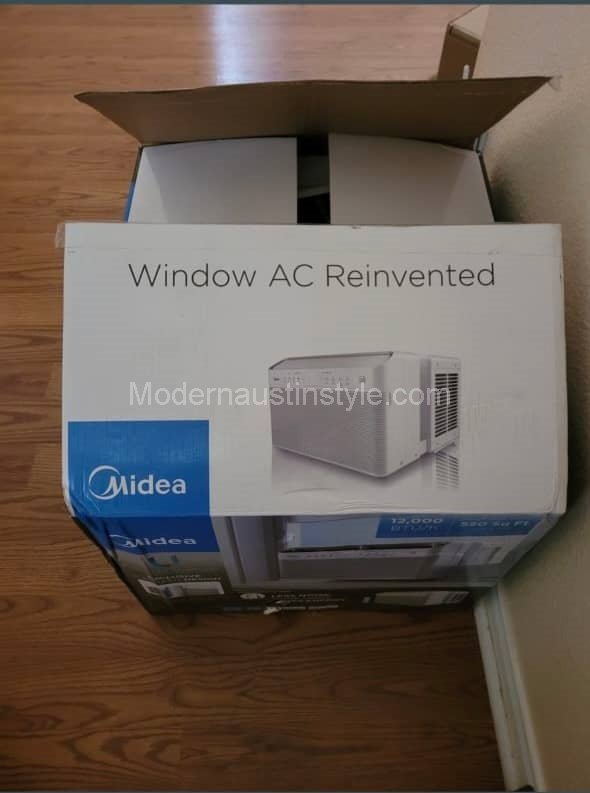
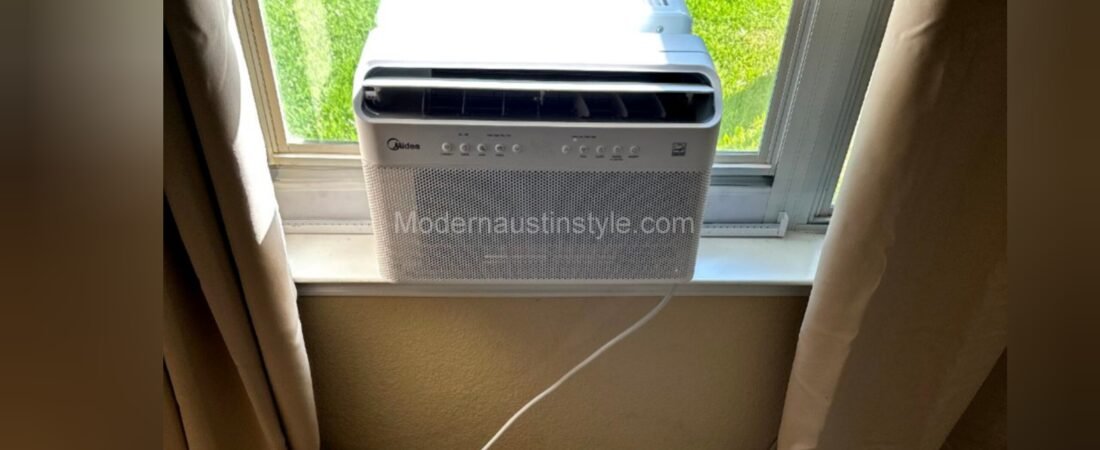
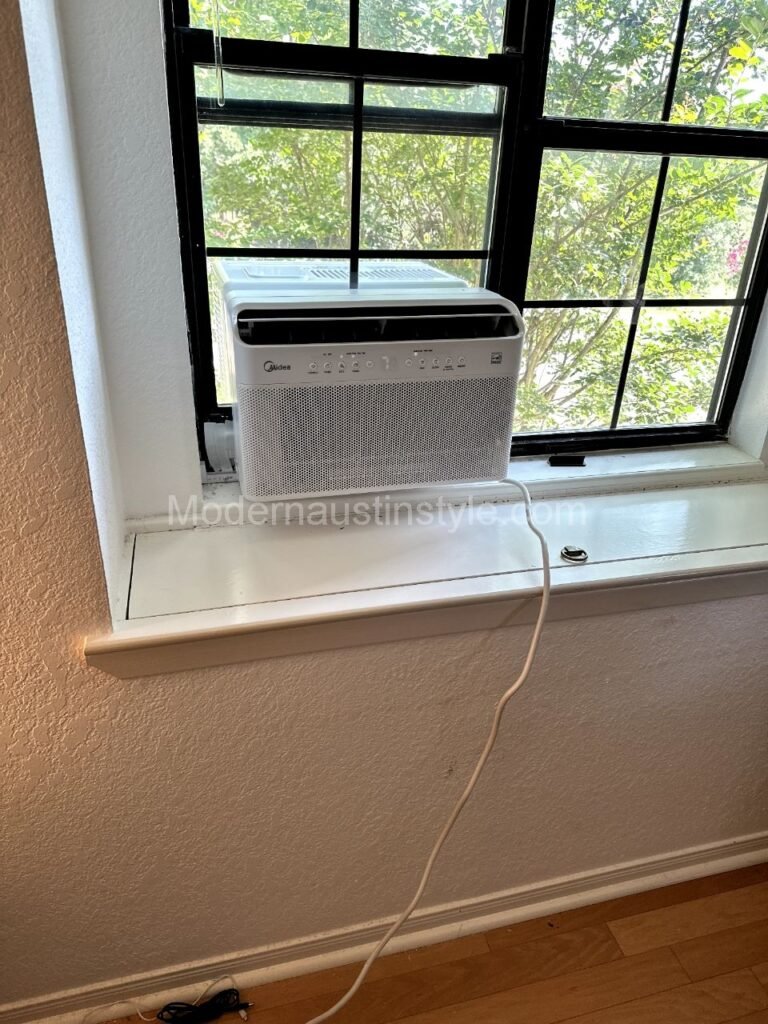
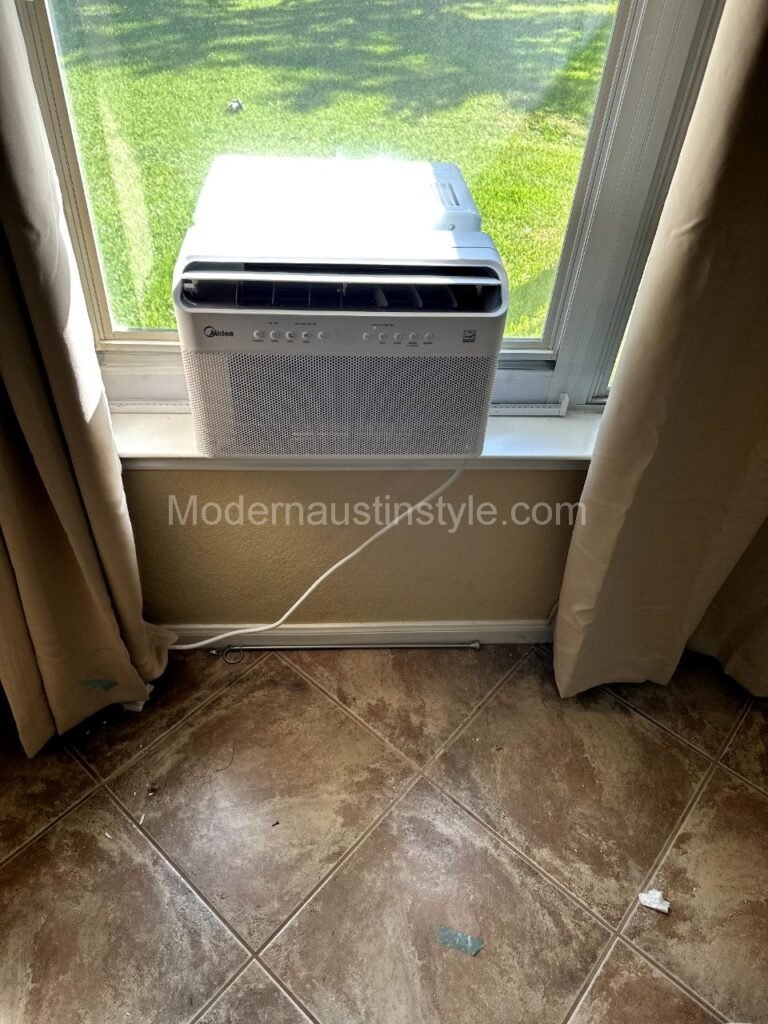
A window air conditioner is a self-contained unit that houses all the essential cooling components in one body. It’s typically installed in a window or a specially made wall opening, blowing cool air directly into the room.
Window Air Conditioner (A/C)|Complete Guide
Main Components of a Window A/C
- Compressor: Compresses the refrigerant gas and pumps it to the condenser.
- Condenser: Releases the absorbed heat to the outside.
- Evaporator: Absorbs the heat from indoor air and cools it down.
- Fans (Indoor & Outdoor): Circulate air inside the room and help cool the condenser.
- Thermostat: Automatically adjusts temperature to the desired level.
- Air Filter: Cleans incoming air by removing dust and particles.
How Does It Work?
The unit draws in warm air from the room and passes it over the evaporator coils. The refrigerant inside absorbs the heat, cools the air, and the fan blows the chilled air back into the room. The absorbed heat is transferred to the outdoor condenser coils and expelled outside. This cycle repeats until the room reaches the set temperature.
Advantages of a Window Air Conditioner
1. Easy Installation
No need for an external unit or complicated piping—just a suitable window or wall opening is enough.
2. Affordable Price
Compared to split or central systems, window A/C units are budget-friendly both in purchase and installation.
3. Portability
Since it’s a single unit, it can be removed and reinstalled elsewhere with minimal effort.
4. Effective Cooling
Well-suited for bedrooms, offices, or small shops with solid cooling performance.
5. Moderate Power Usage
Newer models with inverter technology consume less electricity.
Window Air Conditioner (A/C)|Complete Guide
Disadvantages of Window A/C Units
1. Noise Level
Because all components are housed in one box, they tend to be noisier than split systems.
2. Blocks the Window
Installation may reduce natural light or block the outside view.
3. Aesthetics
May not be visually pleasing from inside or outside the building.
4. Limited Coverage
Not ideal for large spaces or multi-room environments.
Buying Guide: What to Look For
1. Cooling Capacity (BTU)
Choose a capacity based on room size:
- 9,000–12,000 BTU for 150–250 sq. ft.
- 18,000 BTU for rooms around 400 sq. ft.
2. Energy Efficiency
Look for models with energy ratings of A or higher to save on electricity bills.
3. Trusted Brands
Opt for reputable brands with strong after-sales service.
4. Washable Filters
Easier maintenance and better air quality for allergy-sensitive users.
Window Air Conditioner (A/C)|Complete Guide
Maintenance Tips
1. Clean the Filter
Rinse the air filter monthly to maintain airflow and performance.
2. Annual Service
Have the unit checked and serviced by a technician once a year.
3. Drainage Check
Ensure the water outlet isn’t clogged to prevent leakage or wall damage.
4. Power Protection
Use a voltage stabilizer or surge protector to avoid electrical damage.
Window Air Conditioner (A/C)|Complete Guide
Comparison with Other Cooling Systems
| Feature | Window A/C | Split A/C | Evaporative Cooler |
|---|---|---|---|
| Price | Moderate | High | Low |
| Electricity Use | Moderate | High | Low |
| Noise | Moderate to High | Low | Low |
| Installation | Easy | Requires Technician | Easy |
| Best For | Small Rooms | Medium–Large Rooms | Dry Climates |
Window A/C vs. Split A/C
If you’re cooling a small area, live in a rental unit, or want to save money, a window A/C is a practical and economical choice. However, if you value quieter performance, sleek design, or need to cool a larger space, a split system might be more suitable.
Modern Features in Window A/C Units
- Inverter Technology: Adjusts compressor speed to save power.
- Wi-Fi Control: Allows remote operation via smartphone.
- Digital Display: For accurate temperature settings.
- Anti-Allergy Filters: Ideal for people with respiratory sensitivities.
Window Air Conditioner (A/C)|Complete Guide
Safety Tips
- Use a dedicated power outlet.
- Mount the unit securely on a level surface.
- Keep children away from the unit.
- During heavy rain or strong winds, check for water ingress.
🧰 Tools Required for Installing an Air Conditioner
Installing an air conditioner requires precision, the right tools, and adherence to safety standards. Depending on the type of unit—window or split system—specific tools are needed. Below is a breakdown of the essential tools for each type:
✅ Tools for Installing a Window Air Conditioner
- Measuring Tape and Level
To accurately measure the installation space and ensure the unit is level. - Drill and Bits
For making holes in walls or window frames if a permanent mount is needed. - Screwdriver (manual or electric)
For tightening screws and adjusting brackets or panels. - Metal Support Brackets
Used when wall-mounting the unit for extra support. - Hammer, Wall Plugs, and Screws
To secure brackets or frames to the wall or window structure. - Weather Stripping or Sealant Foam
To seal gaps around the unit, preventing hot air, dust, or insects from entering. - Surge Protector or Voltage Stabilizer
To protect the compressor from power surges or voltage fluctuations.
✅ Tools for Installing a Split Air Conditioner
- Vacuum Pump
Removes air and moisture from copper lines before charging the system. - Manifold Gauge Set
For measuring refrigerant pressure during system setup and testing. - Copper Pipe Cutter
For cleanly cutting copper tubing to the required lengths. - Flare Tool Set
Used to create flared ends on copper pipes for secure, leak-free connections. - Pipe Bender
For bending copper tubing without kinking or damaging it. - Pipe Insulation Foam
Prevents condensation, preserves energy, and maintains refrigerant temperature. - Wall-Mount Bracket (for Outdoor Unit)
To securely mount the outdoor compressor on a wall or stable base. - Drill, Measuring Tape, Level, Screwdrivers, Adjustable Wrench
Basic tools for mounting indoor units, fixing brackets, and overall assembly. - Pliers and Wire Cutters
For cutting, stripping, and connecting power cables safely. - Electrical Tape and Cable Ties
For organizing and securing wires, pipes, and hoses. - Proper Wiring with Dedicated Circuit Breaker
Ensures safe and reliable power delivery to the A/C unit.
Window Air Conditioner (A/C)|Complete Guide
⚠️ Important Safety Tips:
Carefully choose the placement for both indoor and outdoor units, considering airflow, sunlight exposure, and service access.
Split A/C units must be installed by a certified technician, as improper installation can lead to refrigerant leaks, compressor failure, or electrical hazards.
Always use a voltage protector to safeguard the system against power fluctuations.
🌬️ Features of a Window Air Conditioner
A window air conditioner is one of the simplest and most popular cooling systems for homes. Designed for small to medium-sized spaces, it’s widely used due to its easy installation and affordable price. Here are the key features:
Window Air Conditioner (A/C)|Complete Guide
1. Compact One-Piece Design
All essential components—compressor, condenser, evaporator, and fan—are integrated into a single unit.
🔹 Quick and easy installation
🔹 No need for an outdoor unit or refrigerant piping
2. Easy Installation in Window or Wall
These ACs are primarily designed to be installed in window frames, but can also be fitted into walls with proper framing.
🔹 Ideal for bedrooms, small offices, or rental spaces
🔹 Often does not require a professional technician
3. Various Cooling Capacities
Window ACs are available in different capacities, typically from 5,000 to 24,000 BTU, depending on room size:
| Room Size | Suggested Capacity |
|---|---|
| Up to 20 m² | 9,000 BTU |
| 20–30 m² | 12,000 BTU |
| 30–45 m² | 18,000 BTU |
4. Direct and Effective Cooling
The warm indoor air is pulled into the unit, cooled, and returned to the room, while the heat is expelled outside.
🔹 Efficient for enclosed areas
🔹 Uniform temperature distribution
Window Air Conditioner (A/C)|Complete Guide
5. Built-In Thermostat for Temperature Control
Most models include a mechanical or digital thermostat to maintain the desired room temperature.
🔹 Energy-saving operation
🔹 Prevents overcooling
6. Washable Air Filter
Includes filters that trap dust and airborne particles.
🔹 Improves indoor air quality
🔹 Easy to clean and replace
7. Cooling & Optional Heating Function
Some models offer both cooling and heating, making them usable year-round.
🔹 Dual functionality
🔹 Saves money on winter heating devices
8. Affordable Price
Window ACs are generally cheaper to purchase, install, and maintain compared to split systems.
🔹 Great for tight budgets
🔹 Ideal for short-term or rental homes
9. Moderate Energy Consumption
Modern models are more energy-efficient, while older ones may consume more power.
🔹 Check the energy label before purchasing
🔹 Use a voltage protector for added safety
10. Moderate to High Noise Level
Since the compressor is housed inside the unit, it tends to produce more noise than split ACs.
🔹 Newer models operate more quietly
🔹 May not be suitable for noise-sensitive users
✅ Summary of Key Features:
| Feature | Description |
|---|---|
| Structure | One-piece, no outdoor unit |
| Installation | Easy, window or wall-mounted |
| Cooling Capacity | 5,000–24,000 BTU |
| Function | Direct cooling (some with heating) |
| Control | Manual or digital thermostat |
| Filter | Washable air filter |
| Price | Economical |
| Power Usage | Moderate (varies by model) |
| Noise Level | Moderate to high |
📌 Conclusion:
A window air conditioner is an excellent choice for fast, affordable, and effective cooling in compact spaces. If you’re looking for a simple cooling solution with minimal installation effort and cost, this type of AC is a smart and practical option.
Conclusion
Window air conditioners remain one of the best options for efficient, affordable cooling in small spaces. While they may not be ideal for every situation, their ease of use, portability, and cost-effectiveness make them a strong contender—especially in dorm rooms, small offices, rented apartments, or retail shops. With proper care and the right model, you can enjoy reliable cooling for years to come.
📞Need help?
Let us take care of the hard work while you sit back and relax.
📍Address: 3411 Monument Dr, Round Rock, TX 78681-3756
☎️Phone Number: 7373306737
🔵Visit: https://modernaustinstyle.com